Programme: South Dublin
WHO Theme: Communication and Information
Funding Stream: Local AF Programme Funding
Resources Required: Community Support, Financial, Paid Staff, Premises
Cost: 1000 – 5000
Status: Completed
Description
South Dublin County Council, in collaboration with South Dublin County Partnership, successfully delivered an Age Friendly Digital Literacy Course aimed at supporting older adults in enhancing their digital skills and confidence. This initiative was rolled out in two locations—Saggart and Clondalkin—and formed part of a broader strategy to promote digital inclusion and independent living for older people within the community.
The course was developed in consultation with the Older People’s Council, ensuring that the content reflected the real needs and interests of the target audience. Following this, the proposed structure and goals of the course were presented to the South Dublin Age Friendly Alliance for feedback and endorsement. This collaborative and consultative approach helped shape a programme that was both relevant and well-supported by local stakeholders.
To determine the level of community interest, the local Community Development Team conducted an expression of interest process. The response was overwhelmingly positive, clearly indicating a significant appetite for digital education among older adults in the area. Once demand was established, appropriate venues were sourced in Saggart and Clondalkin. A qualified tutor was then contracted to deliver the course and provided with a detailed brief to ensure the curriculum aligned with the programme’s objectives.
The course itself was structured over an 8-week period, starting with the fundamentals of digital literacy. Early sessions covered basic skills such as turning on devices, navigating touchscreens, connecting to Wi-Fi, and using email and messaging applications. As participants became more confident, the course progressed to more advanced topics.
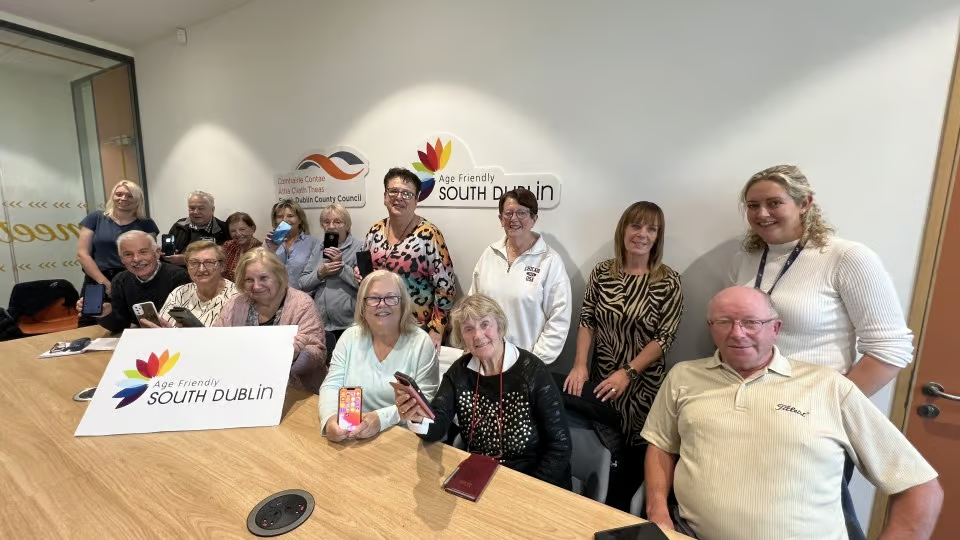
A core feature of the course was its focus on participants using their own devices. This hands-on approach allowed learners to build digital competence directly on the tools they already owned, ensuring that the skills gained were immediately practical and applicable to their daily lives.
The atmosphere of the course was welcoming and supportive, with tutors taking a patient and tailored approach to accommodate varying levels of experience and learning speeds. The participants were encouraged to ask questions and share experiences, creating a sense of community and mutual support throughout the learning journey.
At the conclusion of the eight-week programme, participants were presented with a certificate of completion in recognition of their dedication and progress. The course not only improved digital skills but also fostered greater confidence and independence among participants, reinforcing the importance of continued digital engagement for older adults in South Dublin.
Aim of Initiative
The aim of the Age Friendly Digital Literacy Course was to empower older adults to live more independently by improving their digital skills and building confidence in using everyday technology. Through a supportive and accessible learning environment, the course enabled participants to navigate essential digital tools such as smartphones, tablets, and online services. By focusing on practical, real-life applications—like email, internet browsing, the course helped older adults stay connected, access important information, and manage daily tasks more efficiently, ultimately promoting greater autonomy, social inclusion, and engagement in an increasingly digital world.
Who is it aimed at
The initiative was aimed at older citizens living in South Dublin.
3 Steps critical to success
- Community Consultation and Stakeholder Engagement:
The course was developed in consultation with the Older People’s Council and presented to the South Dublin Age Friendly Alliance for feedback. This ensured the programme was tailored to the actual needs of older adults and had strong community and institutional support.
- Targeted Outreach and Demand Assessment:
The local Community Development Team conducted an expression of interest to gauge demand. This step confirmed a high level of interest and helped plan resources effectively, ensuring the course was both needed and well-attended.
- Participant-Centered Course Design:
The 8-week course structure, which gradually progressed from basic to more advanced skills and encouraged participants to use their own devices, created a practical and personalized learning experience. This hands-on, relevant approach significantly boosted confidence and engagement.
3 Challenges in Planning / Delivery
- Varied Levels of Digital Experience:
Participants entered the course with differing levels of digital literacy, which required tutors to adapt lesson plans and pacing to accommodate both beginners and more experienced learners—posing a challenge in delivering consistent instruction.
- Device Compatibility and Familiarity:
Since participants used their own devices, tutors had to support a wide range of makes and models, including smartphones, tablets, and laptops. This diversity created challenges in troubleshooting and ensuring all participants could follow along effectively.
- Building Confidence and Overcoming Fear:
Many older adults initially lacked confidence or were anxious about using technology. Addressing this psychological barrier and creating a supportive environment for learning required extra time, patience, and reassurance from course facilitators.
3 Outcomes / Benefits
- Enhanced Digital Skills and Confidence:
Participants significantly improved their ability to use digital devices and online tools, progressing from basic functions to more advanced tasks like internet safety and digital banking. This increased their confidence and ability to engage independently with the digital world.
- Greater Social Inclusion and Independence:
By equipping older adults with practical digital skills, the course enabled them to access services, stay connected with family and friends, and manage daily tasks online—contributing to a more independent and socially connected lifestyle.
- Stronger Community Engagement and Support Networks:
The course fostered a sense of community among participants, encouraging peer support and shared learning. It also strengthened collaboration between local organisations, demonstrating the value of community-led, age-friendly initiatives.